Office Cleaning in NW10
If you are looking for reliable Office Cleaning in NW10, you probably need more than a quick tidy-up. You need a service that fits around your business hours, respects your workspace, and keeps your premises presentable for staff, visitors, clients, and contractors. In a busy part of North West London, that means a cleaning team that understands local buildings, access limitations, mixed-use properties, and the day-to-day realities of offices in and around NW10.
Whether your workplace is a compact studio office, a shared commercial unit, a management office in a converted building, or a larger workspace near industrial and retail areas, a well-planned cleaning service can make a real difference. Clean, organised surroundings support better morale, help visitors form a positive first impression, and reduce the stress that comes from trying to manage cleaning in-house.
This page is designed for local customers who want practical information before they enquire. It explains what office cleaning usually includes, how a local team works, what affects pricing, and why businesses in NW10 often prefer a nearby cleaning provider that can respond quickly and work around their schedule.
Office Cleaning for NW10 Businesses
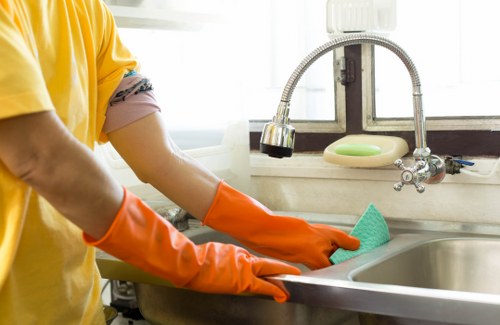
NW10 covers a varied mix of commercial and residential neighbourhoods, with properties ranging from office suites and light industrial units to small business hubs and shared workspaces. That variety matters, because no two workplaces need exactly the same cleaning plan. An office in a modern business unit may have glass partitions, kitchens, and washrooms that require consistent attention, while a workspace in a converted building may need careful care around older finishes, narrow access points, and shared entrances.
Local office cleaning is especially useful in an area where schedules can be tight and space is often limited. Businesses in and around NW10 may need early morning, evening, or weekend visits to avoid disrupting day-to-day operations. A local team can usually plan cleaning more flexibly, taking into account building rules, parking restrictions, and access arrangements that can slow down less familiar providers.
It also helps to work with cleaners who understand that professional presentation is different from domestic cleaning. Office environments need regular upkeep of desks, floors, kitchens, toilets, reception areas, meeting rooms, and communal spaces. Consistency is often more important than occasional deep cleaning, especially where staff and visitors use the same spaces throughout the week.
Why businesses in NW10 book a local office cleaning service
There are several reasons companies choose a nearby service rather than trying to manage everything themselves. A local provider can often respond more efficiently to last-minute changes, such as an important meeting, a tenant handover, a rush of visitors, or a building issue that means certain areas need extra attention. In busy commercial areas, that kind of responsiveness can be valuable.
Working locally also supports smoother communication. If your workplace has unique access instructions, shared entry systems, loading bay limits, or specific health and safety expectations, it is far easier to brief a team that regularly works across NW10. In practice, that can lead to fewer delays, less confusion, and a more dependable routine.
For many organisations, the biggest benefit is simple peace of mind. When cleaning is handled properly, staff can focus on their jobs instead of worrying about bins, dust, streaky glass, or restrooms that need attention before guests arrive. A tidy office is not only more pleasant; it is easier to run.
What an Office Cleaning Service Usually Includes

A good office cleaning service should be tailored to the needs of your premises rather than forced into a one-size-fits-all checklist. Most workplaces need a combination of daily maintenance tasks and periodic deeper cleaning. The exact plan will depend on office size, footfall, staff numbers, and the type of work you do.
Common office cleaning tasks include:
- Dusting desks, shelving, ledges, skirting boards, and accessible surfaces
- Vacuuming carpets and mats
- Hard floor sweeping, mopping, and spot cleaning
- Emptying office bins and replacing liners where needed
- Cleaning kitchen or breakout areas, including surfaces and sinks
- Wiping down tables, handles, switches, and other touchpoints
- Cleaning toilets, washrooms, and handwashing areas
- Cleaning reception and client-facing spaces
- Internal glass and partition cleaning where appropriate
- Tidying communal areas and meeting rooms
Many businesses also ask for additional tasks such as fridge cleaning, microwave cleaning, internal window cleaning, and periodic deep cleans of neglected corners. The best cleaning plan is one that keeps the workplace presentable between deeper visits without creating unnecessary disruption.
Choosing the right level of cleaning for your premises
Some offices need daily attention because staff and visitors use the space throughout the week. Others may only require a few visits each week, particularly if the team works hybrid schedules. A smaller workspace in NW10 may need focus on bins, kitchens, and desks, while a larger office may need broader coverage across multiple floors or zones.
If your premises include shared facilities, it is usually wise to prioritise high-contact areas. These spaces include door handles, taps, kitchen surfaces, shared printers, lift buttons, and toilet touchpoints. Regular attention to these details helps keep the office feeling cleaner for longer and reduces the buildup that makes workplaces look tired.
Office cleaning is most effective when it is planned around how your space is actually used. That is especially true in mixed-use local buildings, where offices may sit above shops, alongside workshops, or within developments that have shared access routes.
Commercial Cleaning Support for Different Workplace Types

Although the term office cleaning suggests one type of service, many NW10 customers need support for a wider range of commercial spaces. Local cleaners are often asked to maintain reception areas, workrooms, back offices, storage areas, and shared facilities in buildings that may not fit neatly into one category. A flexible service can adapt to these variations without making the process complicated for the client.
Typical workplace types in NW10 include professional offices, small business units, creative studios, managed workspaces, community offices, and administrative rooms connected to other services. Each setting has different priorities. A client-facing office may need immaculate reception and meeting spaces. A back-office team may care more about clean desks, waste removal, and kitchen hygiene. A busy shared office may need frequent refreshes to keep communal areas usable throughout the day.
It is also common for local firms to work across more than one site. If your business has a main office in NW10 and an additional space nearby, having a single cleaning partner can help maintain consistency. It may also simplify scheduling, reporting, and quality control.
How local building layouts affect office cleaning
NW10 includes premises where access can be straightforward, but it also includes buildings with narrow stairwells, shared hallways, restricted parking, or limited lift access. These factors are important because they affect how cleaners bring equipment in and out, how long certain tasks take, and how visits should be timed. A local team that already understands the area will usually be better prepared for these practical issues.
Parking can be a real consideration for office cleaning in NW10. If a building has no on-site parking or loading space, cleaners need to plan ahead so they can arrive promptly and work efficiently. This matters more for larger cleans, where equipment, materials, and waste removal may require a little extra organisation.
In buildings with shared entrances or multiple tenants, discretion also matters. Businesses often want cleaners who can work quietly, respect neighbouring occupiers, and avoid blocking common areas. That is one of the reasons many local customers value a nearby service: it tends to be more aware of the day-to-day conditions on the ground.
What Makes a Good Office Cleaning Plan?

A strong cleaning plan is clear, realistic, and easy to maintain. It should reflect how often each area is used, what level of presentation is expected, and which tasks need daily, weekly, or occasional attention. Businesses often start with a basic routine and then refine it once they understand what keeps the office in good condition.
For example, a reception area may need daily dusting, vacuuming, and bin emptying, while internal glass may only need attention once or twice a week. Toilets and kitchen areas usually need regular cleaning because they are high-use spaces and can affect how the whole workplace feels. Meeting rooms may need a combination of spot cleaning, desk wiping, and reset tidying after each use.
A good plan should also account for the calendar. Some workplaces are busier on certain days, while others need a deeper refresh after meetings, client visits, or staff events. If your office has seasonal pressure, such as end-of-month turnover or periods of heavier footfall, your cleaning schedule may need to adapt accordingly.
Areas that often need extra attention
Some parts of an office are more demanding than others, especially in shared or high-traffic environments. These include:
- Kitchen sinks and counters
- Toilets and wash basins
- Reception desks and waiting areas
- Door handles, light switches, and shared touchpoints
- Floors near entrances where dirt is brought in from outside
- Meeting rooms after client visits
- Printer and copy areas
Targeting these spaces properly helps your workplace stay fresh between full cleans and prevents buildup that takes longer to remove later on. It can also reduce complaints from staff who rely on shared amenities throughout the week.
If you are comparing providers, ask how they would structure the cleaning plan for your specific premises. That is often more useful than simply asking for a generic list of tasks.
How Office Cleaning in NW10 Is Usually Delivered

Most office cleaning begins with a walk-through or an initial discussion so the cleaning team can understand the size of the premises, the layout, and your priorities. This is the stage where you can explain which rooms are used most often, what needs to be cleaned daily, and whether any areas require special handling. It is also the time to mention access instructions, alarm procedures, and any restrictions related to shared buildings or tenant agreements.
After that, the cleaning schedule is arranged around your working hours. Many businesses prefer cleaning before staff arrive or after they leave, while others choose daytime cleaning for shared spaces or ongoing maintenance. The best arrangement depends on your level of activity and how much privacy or quiet your team needs.
Once the service begins, the aim is to keep things steady and predictable. That usually means a regular team, a clear scope of work, and a cleaning rhythm that matches the office’s use. Over time, the cleaner learns which areas need extra attention, where people gather, and what tends to accumulate dirt most quickly.
What a customer can expect from a reliable local team
Customers in NW10 typically want punctuality, care, and a straightforward service. They also want a team that respects the workspace. That means closing doors properly, avoiding unnecessary disturbance, following agreed procedures, and leaving the office ready for the next working period. Reliable office cleaners should work efficiently without getting in the way of your staff or clients.
You should also expect clear communication about what is included and what is not. If something changes, such as a temporarily unused room becoming busy, or an area needing more frequent attention, the plan should be easy to adjust. Flexibility is especially useful for growing businesses and shared workspaces that evolve over time.
Many local customers value simplicity: one cleaning arrangement, one schedule, and one point of responsibility for the agreed service. That kind of practical consistency is often what makes a cleaning provider genuinely useful.
Preparation Checklist for Office Cleaning Visits
Although most cleaning tasks are handled by the service provider, a little preparation helps each visit run more smoothly. This does not mean staff must do the cleaner’s job. It simply means that the office is set up in a way that allows the team to work efficiently and safely.
- Clear obvious clutter from desks, floors, and shared surfaces where possible.
- Remove sensitive paperwork or store it securely before cleaning starts.
- Let the cleaner know about any locked rooms, alarm systems, or access codes.
- Identify fragile items, specialist equipment, or surfaces that need careful handling.
- Keep cleaning supplies or consumables in agreed locations if these are part of the arrangement.
- Tell the team in advance if a room will be unavailable or if there is a meeting scheduled.
- Share any preferences for products, fragrance levels, or eco-conscious cleaning methods, where relevant.
For businesses in NW10, another useful step is to confirm entry and parking details in advance. A cleaner who knows where to park, which entrance to use, and how to gain access can start work without delay. In busy streets or shared commercial developments, that can save valuable time.
It is also worth deciding who manages day-to-day communication. Having one contact person internally helps keep instructions consistent, especially if you need to change the schedule, request extra tasks, or report an area that needs special attention.
How to prepare a workplace without disrupting staff
The best preparation is usually simple and routine. Many offices make a brief end-of-day reset part of their normal closing process: clearing cups, storing papers, emptying individual bins if needed, and leaving desks ready for surface cleaning. In busy workspaces, this helps cleaners focus on thorough maintenance rather than moving unnecessary items around.
If your office is open to visitors, you may want to arrange cleaning around the client schedule. That way, public-facing areas stay looking polished without creating inconvenience. Some NW10 businesses also prefer separate routines for communal areas and private offices, especially where different teams work different hours.
Good preparation makes cleaning more effective, but it should never feel like extra admin for your staff. A practical local service should fit into your working pattern rather than complicating it.
Pricing Factors for Office Cleaning
Customers often want to know what affects office cleaning costs before they request a quote. While exact prices cannot be listed without seeing the premises and understanding the scope, several common factors influence how a service is structured. Knowing these in advance can help you compare options more intelligently.
Typical pricing factors include:
- The size of the office or commercial space
- How often cleaning is needed
- The number of rooms, toilets, kitchens, and communal areas
- Whether the premises require daytime, evening, or weekend visits
- How much detail is needed in client-facing spaces
- Any special tasks, such as internal glass, fridge cleaning, or deeper kitchen work
- Access conditions, parking limits, or site entry procedures
- Whether supplies and consumables are included
For many businesses, the most cost-effective arrangement is not the cheapest one on paper, but the one that keeps the office in good shape with the least disruption. A well-managed cleaning schedule can reduce the need for heavy corrective cleaning later, which is especially helpful in high-use spaces.
Why transparent scoping matters
It is sensible to ask what is included in the standard service and what would count as an extra task. That avoids misunderstandings and helps you budget more accurately. For example, some offices need only routine cleaning, while others expect periodic deep-clean elements such as descaling, more detailed kitchen attention, or additional washroom care. Being clear from the start helps everyone.
If your business is expanding, it can also help to choose a provider that can adapt as your needs change. A small office may later add a meeting room, extra staff, or a second floor, and your cleaning arrangement should be able to grow with you.
When comparing services, it is often useful to focus on flexibility, clarity, and local practicality rather than just on the headline figure.
Why Choose a Local Company for NW10 Office Cleaning?
There are strong practical reasons to choose a local company for office cleaning in NW10. A nearby team is more likely to understand the pace of the area, the type of buildings involved, and the everyday constraints that affect commercial cleaning. That can make the service smoother from the outset.
Local knowledge matters in small but important ways. A cleaner who regularly works in NW10 is more likely to be comfortable with parking limitations, narrow access routes, mixed commercial/residential blocks, and the timing needed to avoid interfering with tenants or visitors. Those details can make a surprising difference to the quality of the experience.
There is also value in easier coordination. If you need an additional visit before a meeting, a more thorough reset after a busy week, or a change to the normal schedule, it is usually simpler to arrange with a team already operating nearby. That can be especially helpful for offices that host clients, suppliers, or other visitors at short notice.
Local service benefits for residential and commercial customers
NW10 is not only a commercial area; it also has homes, conversions, and mixed-use developments close to workspaces. That means office cleaning often needs to take account of neighbours, shared entrances, and noise-sensitive surroundings. A local service that understands these conditions can work more considerately and reduce friction between occupiers.
For commercial customers, the benefit is often reliability and a more personal service structure. For residential management offices or shared work premises, the benefit may be cleaner common areas, better coordination with building rules, and a more professional presentation for everyone using the site. In both cases, locality supports better service delivery.
Choosing a local provider is often about convenience, familiarity, and a better fit for the way your building actually works.
Areas Covered in and Around NW10
Office cleaning customers in NW10 are often spread across several nearby neighbourhoods and business pockets. Because workspaces do not follow neat boundaries, a local cleaning service usually covers surrounding areas as part of its normal route. This makes it easier for offices on the edge of NW10 to book regular visits without complicated arrangements.
Nearby and commonly associated areas may include parts of Willesden, Harlesden, Kensal Green, Park Royal, and surrounding North West London commercial zones. Many local businesses also operate close to transport links, industrial estates, and mixed-use streets where office space sits alongside other premises. That variety is one more reason an adaptable cleaning service is useful.
If your office sits in a shared building, managed property, or business unit that serves several occupiers, it can help to choose a provider used to working across different access systems and premises types. That tends to reduce delays and makes cleaning visits easier to coordinate with other users of the building.
Common site types we can help with
- Small offices and start-up spaces
- Shared offices and coworking environments
- Reception areas and client-facing rooms
- Professional service offices
- Commercial units with office accommodation
- Management offices in mixed-use buildings
- Back-office spaces and admin rooms
If your premises are a little unusual, that is not a problem. Many office cleaning arrangements are built around the building, not the label. The important thing is a practical plan that matches the site.
Frequently Asked Questions
Below are some of the most common questions local customers ask when arranging office cleaning in NW10. If you are planning a new cleaning schedule, these answers should help you decide what kind of service you need.
How often should an office be cleaned?
That depends on the number of staff, the amount of visitor traffic, and the layout of the premises. A busy office may need daily cleaning, while smaller or hybrid-workspaces may only need a few visits each week. High-use areas like kitchens and toilets usually need regular attention whatever the size of the office.
Can cleaning be arranged outside normal working hours?
Yes. Many NW10 businesses prefer early morning, evening, or weekend cleaning to avoid disruption. The best timing usually depends on access arrangements, noise sensitivity, and how your team uses the workspace.
Do cleaners bring their own equipment and materials?
That depends on the arrangement. Some services provide all necessary tools and products, while others work with client-supplied materials for certain tasks. It is sensible to confirm this in advance so there are no surprises on the day.
What if our office has shared areas or multiple tenants?
Shared buildings are common in NW10, and a good cleaning plan can handle them well. The service should identify which areas are included, who controls access, and whether any shared spaces need extra coordination with building management or other occupiers.
Can the service be adjusted if our business changes?
Yes, it should be. Offices evolve, and cleaning arrangements should be able to change with them. If you add staff, extend your hours, or start using extra rooms, the scope can usually be reviewed and updated.
What if we need a one-off clean before an event or inspection?
Many businesses ask for one-off cleaning to prepare for meetings, launches, handovers, or assessments. If you need a short-term boost rather than a regular schedule, request a tailored quote and explain the timing you need.
How do I know what level of cleaning my office needs?
The easiest way is to assess the busiest areas first. If the kitchen, washrooms, floors, and reception space are clean and well maintained, the whole office usually feels more professional. A local team can then recommend a routine based on your actual usage rather than a generic checklist.
If you are unsure where to start, request a free quote and explain the type of building you have, how many people use it, and what matters most to your business.
Arrange Office Cleaning in NW10
If your office needs a cleaner, fresher, and more organised environment, the next step is simple: contact us today to discuss your needs and request a free quote. Whether you are responsible for a small workplace, a busy shared office, or a larger commercial space, a flexible local service can be built around your schedule and the practical demands of the building.
Good office cleaning is not just about appearance. It supports a more comfortable workplace, helps staff stay focused, and makes it easier for visitors to feel confident in your business. In NW10, where properties and access conditions can vary from site to site, that local understanding is especially valuable.
From routine upkeep to tailored cleaning plans, the aim is to make your working environment easier to manage. If you are ready to improve standards, reduce day-to-day cleaning stress, and keep your office looking professional throughout the week, book your service now and take the first step toward a cleaner workplace.
For businesses across NW10, a dependable office cleaning arrangement can make everyday operations smoother, cleaner, and more presentable.